Sustainable Furniture: Eco-Friendly 3D Printed Options
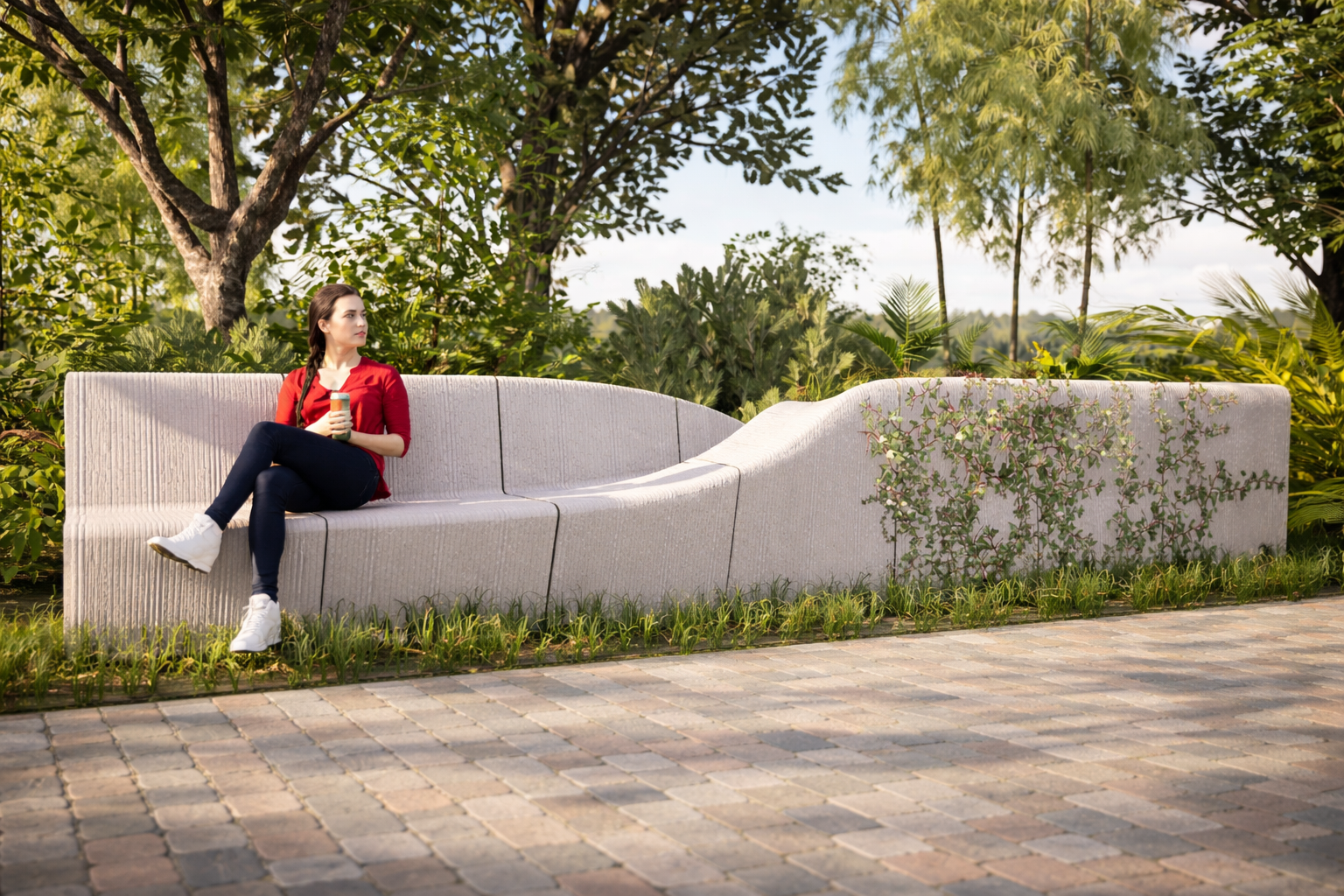
Sustainable Furniture: Eco-Friendly 3D Printed Options
The furniture industry has historically been a significant contributor to environmental degradation—deforestation, landfill waste, and high carbon footprints. 3D printed concrete furniture offers a sustainable alternative that doesn't compromise on quality, durability, or design.
The Sustainability Challenge in Furniture
Environmental Impact of Traditional Furniture
Wood Furniture
- Deforestation for timber
- Chemical treatments and finishes
- Limited lifespan before disposal
- Often ends in landfill
Metal Furniture
- Energy-intensive manufacturing
- Mining environmental impact
- Corrosion and replacement cycles
- Limited recycling in practice
Plastic Furniture
- Fossil fuel-derived materials
- Fragile lifespan
- Difficult recycling
- Microplastic pollution
The Path Forward
Sustainable furniture must address:
| Principle | Implementation | |----------|----------------| | Material Efficiency | Only material needed is used | | Local Production | Reduced transportation emissions | | Extended Lifespan | Decades, not years | | Recyclability | Material recovery at end of life | | Non-toxic Materials | Safe for indoor air quality |
3D Printing: A Sustainable Solution
How 3D Printing Supports Sustainability
Material Efficiency
- Near-zero waste production
- Optimized structural design
- No mold or form waste
- Precise quantity production
Energy Efficiency
- Lower energy than traditional casting
- Reduced transportation (local production)
- Minimal processing requirements
- Efficient batch production
Durability Benefits
- 50+ year product lifespan
- Reduced replacement frequency
- Less resource consumption over time
- Lower lifetime environmental impact
Our Sustainable Materials
Concreef Eco Mix
Our sustainable concrete mix uses:
Recycled Content
- Crushed recycled concrete aggregate
- Industrial by-product materials
- Reduced virgin material demand
- Closed-loop material sourcing
Lower Carbon Footprint
- Optimized mix design
- Reduced Portland cement content
- Local material sourcing
- Transportation optimization
Same Quality Performance
- Structural integrity maintained
- Weather resistance ensured
- Durability standards met
- Quality consistency
Concreef Clay
Natural earth-based materials offer unique sustainability:
Natural Materials
- Clay, sand, and hemp
- 100% natural ingredients
- Harvested responsibly
- Minimal processing
Breathable Material
- Natural moisture regulation
- Healthy indoor environment
- Reduced mold risk
- Improved air quality
Carbon Negative Potential
- Hemp absorbs CO2 during growth
- Natural material processing
- Possible carbon storage
- Truly sustainable choice
Sustainable Design Principles
Design for Longevity
Timeless Aesthetics
- Classic forms that endure trends
- Quality that maintains appearance
- Functional design that remains relevant
- Value that appreciates over time
Durability Engineering
- Load-appropriate construction
- Weather-resistant design
- Structural optimization
- Quality materials
Design for Repairability
Accessible Maintenance
- Simple repair protocols
- Readily available materials
- Professional or DIY options
- Clear maintenance guidance
Component Design
- Replaceable surfaces
- Repairable structures
- Updatable elements
- Adaptable configurations
Design for End of Life
Material Recovery
- Single material construction
- Easy separation if needed
- Recycling-friendly design
- Material identification
Reuse Potential
- Repurposing-friendly forms
- Multiple life possibilities
- Community sharing ready
- Upcycling potential
Product Categories
Sustainable Seating
Benches
- MONOLITH: Minimalist, timeless design
- HYBRID: Concrete and reclaimed wood
- LOOP: Organic form with material efficiency
Chairs
- Designed for decades of use
- Replaceable components
- Accessible repair
- Timeless aesthetics
Sustainable Tables
Dining Tables
- Natural material options
- Refinishing capability
- Structural longevity
- Design classics
Outdoor Tables
- Weather-resistant design
- Year-round durability
- Minimal maintenance
- Extended lifespan
Sustainable Planters
Garden Planters
- Material efficiency
- Weather durability
- Drainage optimization
- Long-term performance
Urban Planters
- Civic-grade durability
- Vandal resistance
- Low maintenance
- Sustainable materials
Certification and Standards
Environmental Certifications
LEED Contribution Our furniture can contribute to LEED certification:
- MR Credit 4: Materials Disclosure
- MR Credit 5: Regional Materials
- EQ Credit 4: Low-Emitting Materials
- ID Credit: Innovation in Design
Other Certifications
- SCS Indoor Advantage Gold
- GREENGUARD Certification
- Declare Label compliant
- ISO 14001 aligned production
Transparency
We provide:
- Material ingredient disclosure
- Environmental product declarations
- Carbon footprint documentation
- Recycling guidance
Lifecycle Analysis
Environmental Impact Comparison
| Furniture Type | Production Impact | Use Impact | End-of-Life Impact | Total | |----------------|------------------|-----------|-------------------|-------| | Particle Board | Medium | High (replacement) | High (landfill) | High | | Solid Wood | High (deforestation) | Low | Medium (recyclable) | Medium | | Metal | Very High (mining/processing) | Low | Medium (recycling) | Medium | | 3D Printed Concrete | Low (efficient) | Low | Low (recyclable) | Very Low |
Carbon Footprint
3D printed concrete furniture typically has:
- 40% lower embodied carbon than traditional concrete casting
- Reduced transportation emissions through local production
- Extended lifespan reducing replacement frequency
- Recyclable material at end of life
Consumer Benefits
Environmental Responsibility
Choosing sustainable furniture:
- Reduces personal environmental footprint
- Supports circular economy
- Encourages sustainable manufacturing
- Promotes mindful consumption
Economic Value
Sustainable furniture makes economic sense:
| Benefit | Value | |---------|-------| | Extended lifespan | Less frequent replacement | | Reduced maintenance | Lower ownership costs | | Quality retention | Better resale value | | Environmental cost savings | Reduced disposal costs |
Health Benefits
Sustainable furniture improves indoor environment:
- Non-toxic materials
- No off-gassing
- Natural material options
- Improved air quality
Care for Sustainable Furniture
Maintenance Guidelines
Regular Care
- Dust and clean regularly
- Address spills immediately
- Inspect for any damage
- Follow care guidelines
Long-Term Maintenance
- Seal as recommended
- Repair any damage promptly
- Professional assessment when needed
- Update finishes as needed
Extended Life Practices
- Use furniture as intended
- Provide appropriate environment
- Train users on care
- Document care history
Making Sustainable Choices
For Homeowners
Priority Selections
- Living room seating
- Dining furniture
- Bedroom pieces
- Home office items
Budget Considerations
- Higher initial investment
- Long-term savings
- Environmental benefit
- Quality experience
For Businesses
Commercial Applications
- Office furniture
- Hospitality seating
- Retail fixtures
- Restaurant tables
ROI Considerations
- Reduced replacement frequency
- Lower maintenance costs
- Employee satisfaction
- Customer perception
For Municipalities
Public Furniture
- Park benches
- Transit seating
- Plaza elements
- Municipal buildings
Total Cost of Ownership
- Initial investment vs. lifespan
- Maintenance requirements
- Replacement frequency
- Environmental impact
The Future of Sustainable Furniture
Emerging Technologies
Improved Materials
- Even lower carbon options
- Bio-based additives
- Enhanced recycled content
- Innovative binders
Production Advances
- Increased efficiency
- Lower energy requirements
- Faster production
- Reduced waste
Design Evolution
Parametric Sustainability
- Optimization algorithms
- Material-minimizing designs
- Performance-maximizing forms
- Aesthetic-sustainability balance
Circular Design
- Design for disassembly
- Component standardization
- Material recovery focus
- Reuse-oriented design
Get Started
Ready to choose sustainable furniture that doesn't compromise on quality or design? Our collection offers environmentally responsible options for every application.
Contact us to explore sustainable furniture solutions for your home, business, or public space.
Sustainable furniture: where environmental responsibility meets timeless design.